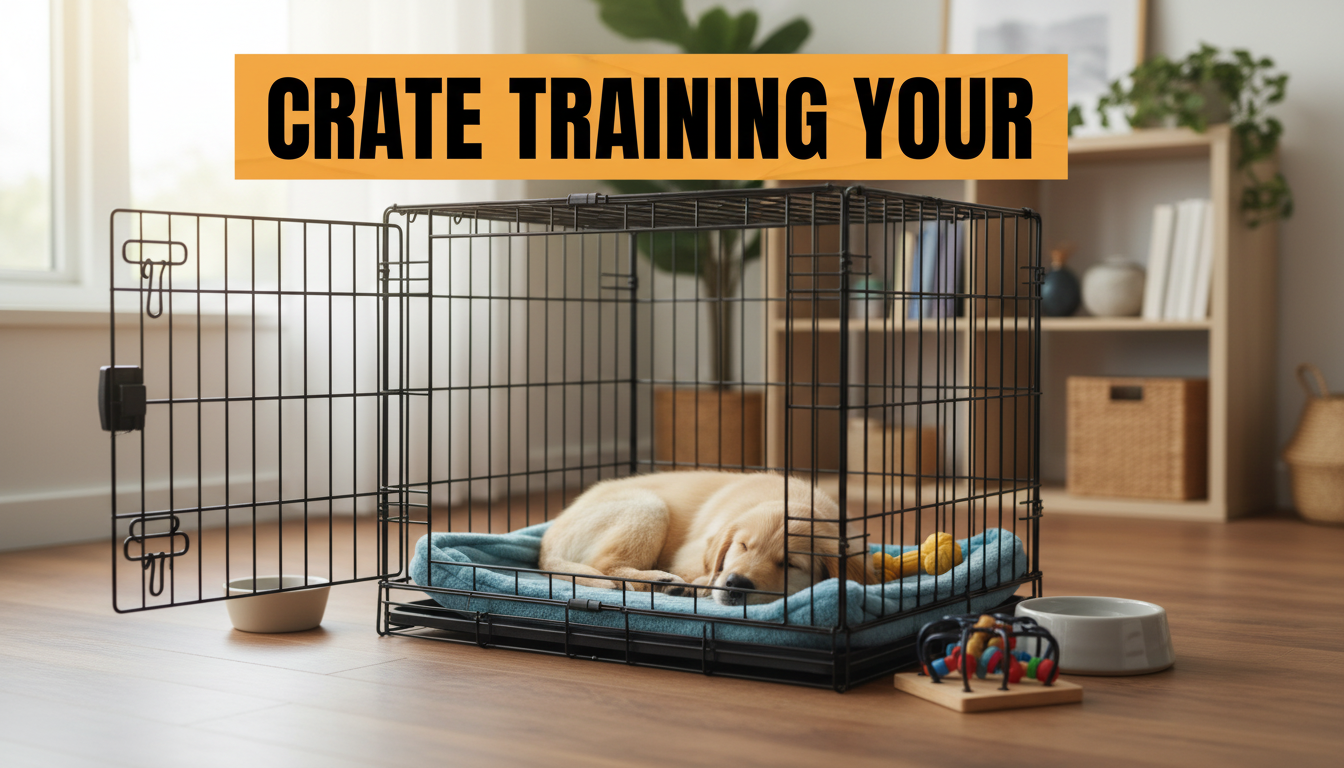
Crate training works best when the crate becomes a predictable, comfortable place your puppy chooses—not a last-minute solution during chaos. With the right setup, timing, and rewards, crate time supports housetraining, travel safety, and calmer routines for naps and nights. For additional guidance from established organizations, review these crate training overviews from the American Kennel Club and the Humane Society of the United States.
A crate is a short-term management tool and a safe resting spot—not a long-term confinement plan. Done well, crate training builds a positive association: the crate predicts comfort, rest, and good things. That’s why using the crate as punishment backfires; it can create stress and resistance right when you need your puppy to feel secure.
Progress also looks different than “my puppy stayed inside.” The real goal is relaxation: your pup settles with a soft body, chooses a chew instead of scanning the room, and can rest quietly without escalating into panic. Those calming signals are the foundation for longer naps, smoother nights, and safer travel later.
Start with sizing. Your puppy should be able to stand up, turn around, and lie down comfortably. A crate that’s too large can slow housetraining because it’s easier for a pup to potty in one corner and sleep in another. If you’re between sizes, use a divider to create a cozy “just right” space and expand it as your pup grows.
Next, pick a style that fits your routine:
Location matters as much as gear. Place the crate where life happens during the day so your puppy can settle without feeling isolated. At night, many households have an easier start with the crate near the bed so you can respond quickly to potty needs and keep nighttime calm. Make it inviting with a washable mat or thin pad (especially early on), a safe chew, and—if your puppy settles better with fewer distractions—a light cover that still allows good airflow.
During early introduction sessions, keep the door open. The fastest way to build confidence is to let your puppy choose to step in and step out repeatedly, without pressure.
| Item | Why it helps | Quick tip |
|---|---|---|
| Appropriately sized crate | Comfort + housetraining support | If between sizes, use a divider to reduce space |
| Crate divider (if needed) | Prevents “potty corner” | Expand space as your pup grows |
| Washable bedding or mat | Comfort and routine cue | Start thin/easy to clean while accidents are possible |
| Long-lasting chew or food toy | Builds calm, positive association | Use only safe options sized for your dog |
| Cover (optional) | Reduces distractions for some pups | Leave one side uncovered for airflow |
| Enzymatic cleaner | Removes odor cues after accidents | Clean thoroughly to prevent repeat spots |
For many puppies, the best approach is lots of tiny, low-stress “wins” instead of a few long sessions. Use calm repetition and keep your timing generous—open the door while your puppy is still doing well.
If you want a structured plan you can start on day one, Crate Training Your Pup – A Practical Ebook Guide to Dog Crate Training Basics for Happy, Calm Dogs | Instant Digital Download focuses on comfort, routine, and gradual independence. It’s designed for new puppy households working through crate introduction, naps, nights, and common setbacks. Price: $19.99 (USD).
For those bleary early mornings when you’re doing quick potty trips and quiet resets, a small comfort item for you can help you stay consistent and calm. The Ice Roller for Face & Eyes – Skin Tightening Facial Massage Tool is an easy add-on to your nightstand routine while your puppy learns the ropes.
Many puppies show meaningful progress in a few days, but consistent, relaxed settling often takes a few weeks. “Trained” typically means your puppy can enter willingly, rest calmly, and handle brief alone time without escalating distress. Age, daily consistency, prior experiences, and separation comfort all affect the timeline.
Early on, having the crate in the bedroom often helps puppies feel secure and allows you to respond quickly to nighttime potty needs before they become frantic. If you prefer the crate elsewhere long-term, move it gradually—first a few feet away, then out of the room over multiple nights. Puppies showing anxiety may benefit from keeping it close longer while you build confidence.
Use a simple, safe setup: a washable mat or thin bedding, and a sturdy chew or food toy that’s appropriately sized for your puppy. For safety, remove collars and avoid anything that can tangle, splinter, or break into choking hazards. Keep the crate clean and use an enzymatic cleaner if accidents happen to remove lingering odor cues.










Leave a comment