Jade Cheongsam Porcelain Vase: Retro Hand-Painted Decor
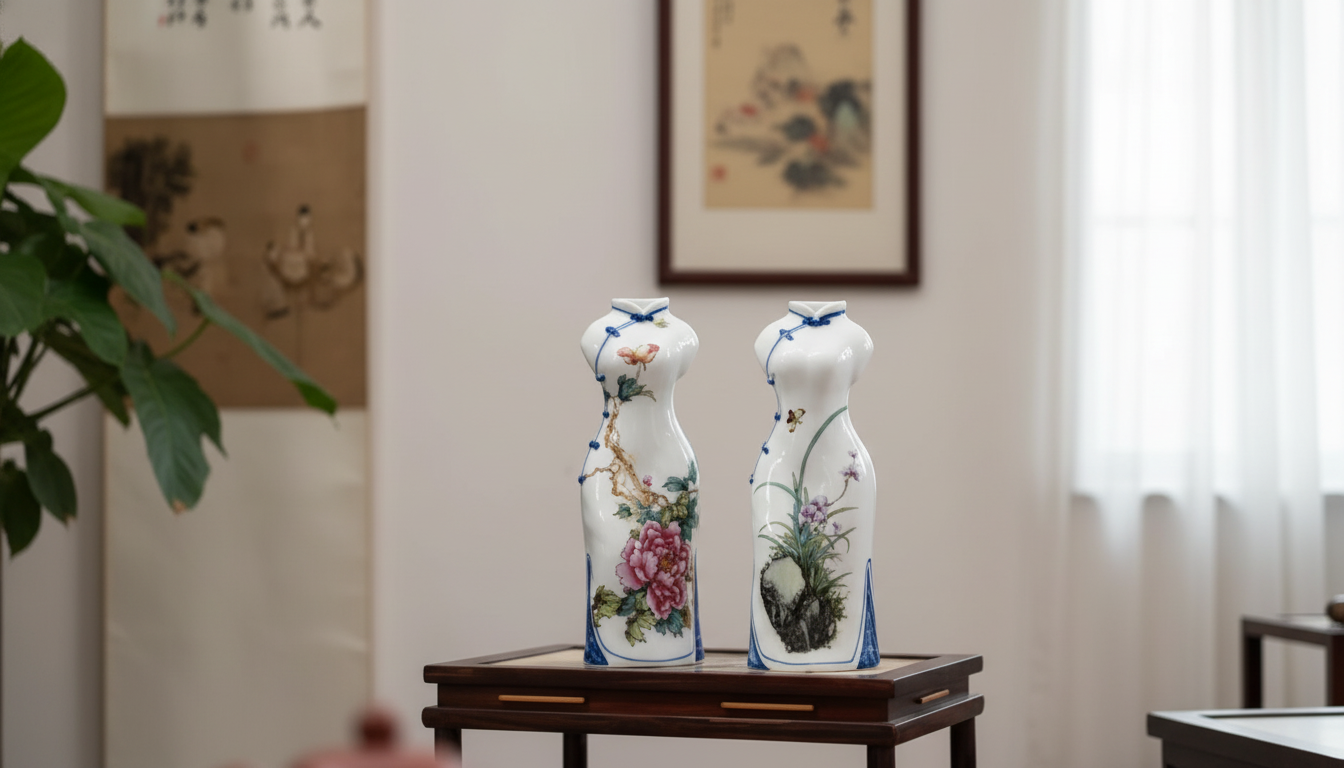
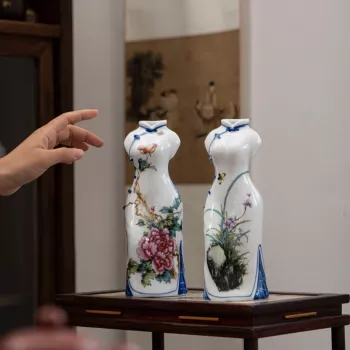
Hand-Painted Jade Porcelain Cheongsam Vase for Retro Chinese Flower Displays
A cheongsam-inspired porcelain vase brings sculptural elegance to shelves, consoles, and dining tables—beautiful on its own and especially striking with fresh or dried stems. With a jade-toned glaze and hand-painted detailing, this retro Chinese ceramic piece works as both décor and a functional vessel for thoughtful flower arrangements.
Its silhouette nods to the graceful lines of the qipao (also spelled cheongsam), a dress style with a long history in Chinese fashion. For a bit of background on the garment’s cultural context, see Encyclopaedia Britannica — Qipao.
What Makes a Cheongsam Vase Distinct
- Figure-like silhouette inspired by the cheongsam (qipao) dress, creating a decorative focal point even without flowers.
- Retro Chinese styling that pairs well with chinoiserie, vintage, eclectic, and modern-minimal spaces.
- Narrow opening helps support a small bouquet or a few statement stems with less need for floral foam.
- Hand-painted finish gives each piece subtle variation in brushwork and color depth.
At-a-Glance Details
Use this snapshot to quickly compare placement options and arrangement styles before styling a space.
For exact dimensions and additional photos, refer to the product page.
Quick Guide to Styling & Use
| Feature | Why it matters | Best use |
|---|---|---|
| Sculptural cheongsam form | Adds visual interest from every angle | Bookshelves, entry console, mantel styling |
| Narrower neck/opening | Helps hold stems upright with a smaller number of flowers | Single-branch arrangements, small bouquets, ikebana-inspired looks |
| Jade-toned porcelain look | Soft, calming green reads as classic and timeless | Pairs with light wood, brass, black lacquer, and natural stone |
| Hand-painted detailing | Creates artisanal character and giftability | Display as décor even when not in use |
Materials, Finish, and Craft Feel
- Porcelain/ceramic construction provides a smooth, glossy surface that catches light and elevates tabletop vignettes.
- Jade-inspired colorway complements greenery and white blooms; it also contrasts nicely with reds, oranges, and deep purples.
- Hand-painted motifs typically appear more dimensional up close—ideal for open shelving, side tables, or a bar cart moment.
- Weight and stability matter for florals; place the vase on a level surface and avoid crowded edges.
For broader context on ceramics and care considerations, the Victoria and Albert Museum — Ceramics collection and resources are a helpful reference point.
Flower Arrangement Ideas That Suit the Shape
- Minimalist: 1–3 long stems (orchid, lily, gladiolus, cherry blossom branches) to emphasize the silhouette.
- Soft bouquet: a small cluster of roses, ranunculus, or peonies trimmed to mid-height for a romantic retro look.
- Green-forward: eucalyptus, ruscus, or fern to echo the jade tone and create a calm palette.
- Dried styling: pampas, bunny tails, dried palms, or preserved hydrangea for long-lasting décor.
- Balance tip: keep the tallest stem roughly 1.5–2× the visible vase height for pleasing proportion.
Because the neck is narrower, a few intentional stems usually look more elevated than overfilling. Let negative space do some of the design work—especially if you’re displaying the vase where it can be seen from multiple angles.
Where It Fits in Home Décor
- Entryway: a single branch and a small tray for keys creates a refined first impression.
- Living room: place near books, framed art, and a candle to build a layered shelf composition.
- Dining table: use a low-to-mid floral height to keep conversation lines clear; pair with neutral runners.
- Bedroom: a calming bedside accent with dried stems; keep away from direct sunlight to preserve color and paint.
- Office: a polished backdrop for video calls when placed on a credenza or side shelf.
If your space is modern-minimal, the vase can act like a small sculpture. In more eclectic rooms, it plays well with mixed materials—think warm brass, dark wood, and a touch of black lacquer for contrast.
Care and Handling
- Rinse with lukewarm water after using fresh flowers; dry fully to avoid water spots at the base.
- Avoid abrasive scrubbers to protect hand-painted details and the glossy finish.
- If mineral deposits appear, soak briefly with warm water and a small amount of mild soap; rinse thoroughly.
- Do not expose to rapid temperature changes (very hot water or freezing conditions) to reduce risk of cracking.
- Use felt pads or a soft mat on delicate surfaces to prevent scratching.
Gifting and Collection Pairings
- A strong choice for housewarmings, anniversaries, and artful décor gifts—particularly for anyone drawn to vintage Chinese-inspired interiors.
- Pairs well with brass candlesticks, black lacquer accents, light wood frames, and neutral ceramics.
- For a cohesive vignette, combine with a small stack of books and a shallow dish or tray in a warm metallic tone.
- Consider gifting with a simple bundle of dried stems for an immediately display-ready set.
Product Options (In Stock)
- Hand-Painted Jade Porcelain Cheongsam Vase – Retro Chinese Ceramic for Flower Arrangements
- Top 10 Must-See U.S. National Parks + Fast Facts | Digital Travel Guide eBook for Nature Lovers, Hikers & Adventure Planners
FAQ
Can this vase hold water for fresh flowers?
Yes—this style is intended to function as a standard vase for fresh flower arrangements. When it arrives, check that it’s watertight before placing it on delicate surfaces, and wipe the exterior dry after use to prevent water marks.
What flowers look best in a narrow-neck decorative vase?
Narrow-neck vases look best with 1–3 statement stems, a small trimmed bouquet, greenery-forward mixes, or dried stems for lasting display. For balanced proportions, aim for a tallest stem about 1.5–2× the visible vase height.
How should a hand-painted porcelain vase be cleaned?
Rinse gently with lukewarm water and use mild soap with a soft cloth—avoid abrasive tools that can dull the finish or wear the paint. If mineral spots appear, do a brief warm-water soak, then rinse well and dry completely; also avoid extreme temperature changes.










Leave a comment