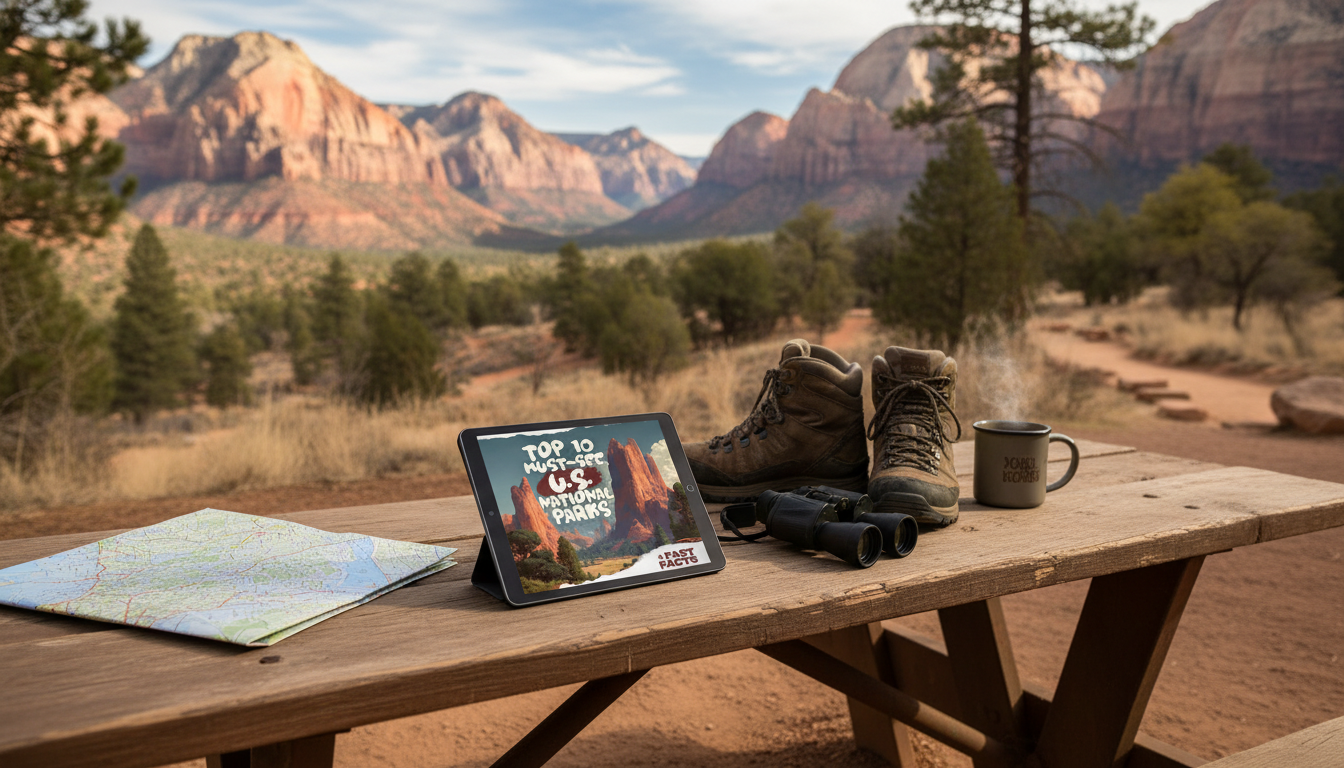
Some parks deliver iconic viewpoints in a single afternoon; others reward slow travel with multi-day hikes, wildlife watching, stargazing, and seasonal surprises. This guide rounds up ten standout U.S. national parks and the quick details that help plan smarter—when to go, what to prioritize, and how to match each destination to the kind of adventure being planned.
Start by picking parks based on the kind of “wow” you want: big vistas (canyons, peaks), wildlife safaris, waterfalls, desert geology, coastal ecosystems, or high-alpine hikes. Then build around seasonality—some roads close in winter, deserts are often best in cooler months, and certain parks have short peak windows for waterfalls or wildflowers.
A simple way to keep plans realistic: choose one anchor hike, one scenic drive, and one sunrise/sunset spot per day. That structure leaves room for parking delays, shuttle lines, and spontaneous photo stops.
| National Park | Signature sights | Best season (typical) | Good for | Effort level |
|---|---|---|---|---|
| Yosemite (CA) | Granite cliffs, waterfalls, giant sequoias | Late spring–fall | Day hikes, photography | Moderate |
| Grand Canyon (AZ) | Canyon overlooks, rim trails, inner canyon hikes | Spring/fall | Vistas, geology | Easy–Strenuous |
| Zion (UT) | Canyon walls, river walks, steep switchbacks | Spring/fall | Hiking, adventure | Moderate–Strenuous |
| Yellowstone (WY/MT/ID) | Geysers, hot springs, wildlife | Late spring–early fall | Wildlife, boardwalk loops | Easy–Moderate |
| Glacier (MT) | Alpine lakes, rugged peaks, scenic drives | Summer–early fall | Mountain hikes | Moderate–Strenuous |
| Rocky Mountain (CO) | High passes, tundra, elk | Summer–fall | Scenic drives, hikes | Easy–Moderate |
| Great Smoky Mountains (TN/NC) | Misty ridges, waterfalls, historic cabins | Spring–fall | Family hikes, waterfalls | Easy–Moderate |
| Acadia (ME) | Rocky coast, sunrise, carriage roads | Summer–fall | Coastal views, biking | Easy–Moderate |
| Arches (UT) | Natural stone arches, desert light | Spring/fall | Short hikes, photography | Easy–Moderate |
| Olympic (WA) | Rainforest, coastline, alpine ridges | Summer–early fall | Diverse ecosystems | Easy–Moderate |
Prioritize the Valley viewpoints early, then add a waterfall walk or a granite-dome hike later. Expect peak-season crowds and limited parking; early starts often feel like an extra day added to the trip.
Decide whether the trip is mostly rim overlooks or a below-the-rim hike—those are very different days. Bring more water than expected and respect how quickly elevation and temperature change when descending.
Start early for popular trail corridors and plan around shuttle logistics when in effect. Balance a headline hike with a quieter overlook or short nature trail to avoid “all intensity, all day.”
Split the park into geothermal zones to reduce driving fatigue and decision overload. Wildlife viewing is best around dawn and dusk; keep your distance and follow posted rules and ranger direction.
Build flexibility for weather swings and occasional closures. When the park’s marquee roadway is open, pair scenic stops with one major trail day rather than trying to “do it all” in one push.
Altitude affects pace and appetite. A short acclimation walk on arrival day makes longer hikes more comfortable and can help avoid headaches and early burnout.
Waterfall trails and ridge drives make an easy, satisfying combo. Morning fog is common and can elevate the mood—plan a few scenic overlooks so you’re ready when the clouds lift.
Combine coastal walks with carriage roads for a varied day. Sunrise is a major draw; arrive very early for parking and use extra caution on dark roads and wet granite.
Midday heat can be intense in warm months, even on short hikes. Schedule iconic arch viewpoints for morning or evening light for better photos and a more comfortable experience.
Use timed-entry and shuttle systems when required. Conditions can change week to week, so check official park alerts before you leave and again the night before major days. The National Park Service resources at Find a Park and Park Alerts help confirm what’s open.
Follow Leave No Trace. Stay on durable surfaces, pack out trash, protect fragile ecosystems, and respect quiet zones and closures. The Leave No Trace Seven Principles are a reliable baseline for low-impact travel.
Pick the park that matches your favorite scenery and the season you can travel: Yosemite and the Grand Canyon are iconic for views, Yellowstone stands out for geothermal features and wildlife, and Acadia is a great coastal option with approachable hikes.
Spring and fall are often the sweet spot for comfortable temperatures and lighter crowds, while summer is best for high-alpine access in places like Glacier and Rocky Mountain. Always check official alerts for road openings and seasonal closures before locking in dates.
One day works for top highlights, 2–3 days feels balanced, and 4–5 days allows deeper hikes and multiple zones (especially in larger parks). A practical rhythm is one major hike day plus one scenic or lighter day.













Leave a comment