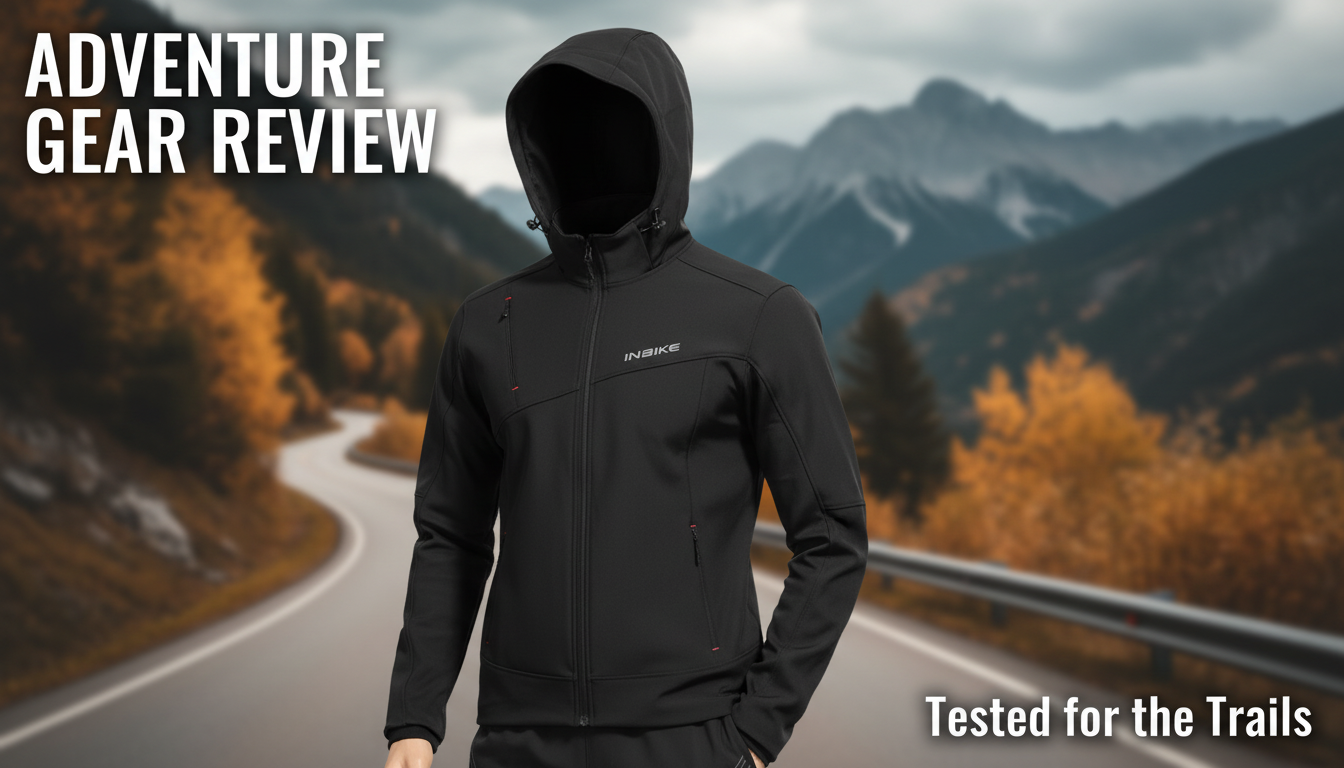
Cold wind can turn a solid ride into a grind—especially on descents and exposed roads. A hooded thermal windproof jacket is built to trap warmth, block gusts, and manage sweat so comfort stays steady from the first mile to the last. Whether you’re commuting before sunrise or stacking miles on a blustery weekend loop, the right windbreaker helps you stay warm without feeling sealed in.
A cycling windbreaker isn’t just a lighter jacket—it’s a moving-weather barrier designed around speed, posture, and changing effort. When you pick one built for riding, a few details make the difference between “fine at the café stop” and “comfortable at 20+ mph.”
For a quick refresher on how cold exposure affects the body—and why staying dry matters—see the CDC guidance on cold stress.
Cold, gusty rides call for smart sealing points and small usability upgrades you’ll notice every time you zip up with gloves on.
| Feature | Why it matters on a bike | What to check before buying |
|---|---|---|
| Windproof outer layer | Reduces wind chill, especially at speed | Tightly woven fabric and snug closures at wrists/hem |
| Thermal insulation | Maintains warmth without bulky layering | Lining that feels warm but not overly thick |
| Breathability/venting | Prevents sweat from turning cold on stops | Mesh panels or vents; fabric that doesn’t feel clammy |
| Hood design | Useful off-bike and in variable conditions | Adjustability and how it sits under/over a helmet |
| Fit for riding posture | Less flapping and better mobility | Room in shoulders/arms; back coverage when leaning forward |
| Reflective details | Improves low-light safety | Placement visible from multiple angles |
A windproof thermal jacket works best as the “shield” in a simple layering system. The goal is to move moisture away from skin, keep warmth where you need it, and vent quickly when effort spikes. For a deeper look at layering basics, REI’s guide is a solid reference: Layering clothing (staying warm outdoors).
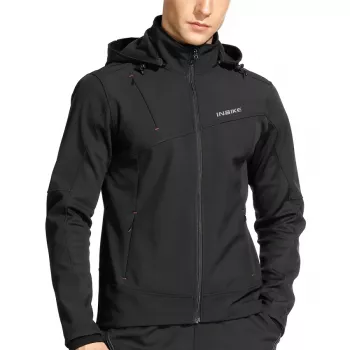
If your rides regularly include chilly headwinds, long descents, or shoulder-season commutes, a thermal windproof jacket can be the piece that keeps your pace steady and your focus on the road. The Men’s Cycling Windbreaker – Hooded Thermal Windproof Jacket is designed for colder rides where wind protection and warmth need to work together, with a hooded build that adds flexibility for variable weather and post-ride cooldown.
| Item | Details |
|---|---|
| Name | Men’s Cycling Windbreaker – Hooded Thermal Windproof Jacket |
| Price | $51.97 USD |
| Availability | In stock |
| Product page | View product |
Yes, but it depends on hood size and adjustability. Some riders wear the hood under the helmet for warmth at stops, while others prefer it over the helmet if it fits without blocking peripheral vision—test head turns before heading out.
It varies with effort level, wind strength, and layering, but it’s typically most useful in cool-to-cold conditions where wind chill is the main problem. If you tend to overheat on climbs, use a lighter base layer and vent with the zipper to stay dry.
It should fit closer and align with a riding posture: longer in the back, sleeves that stay long when reaching forward, and enough room in the shoulders for movement without excess fabric flapping in the wind.












Leave a comment