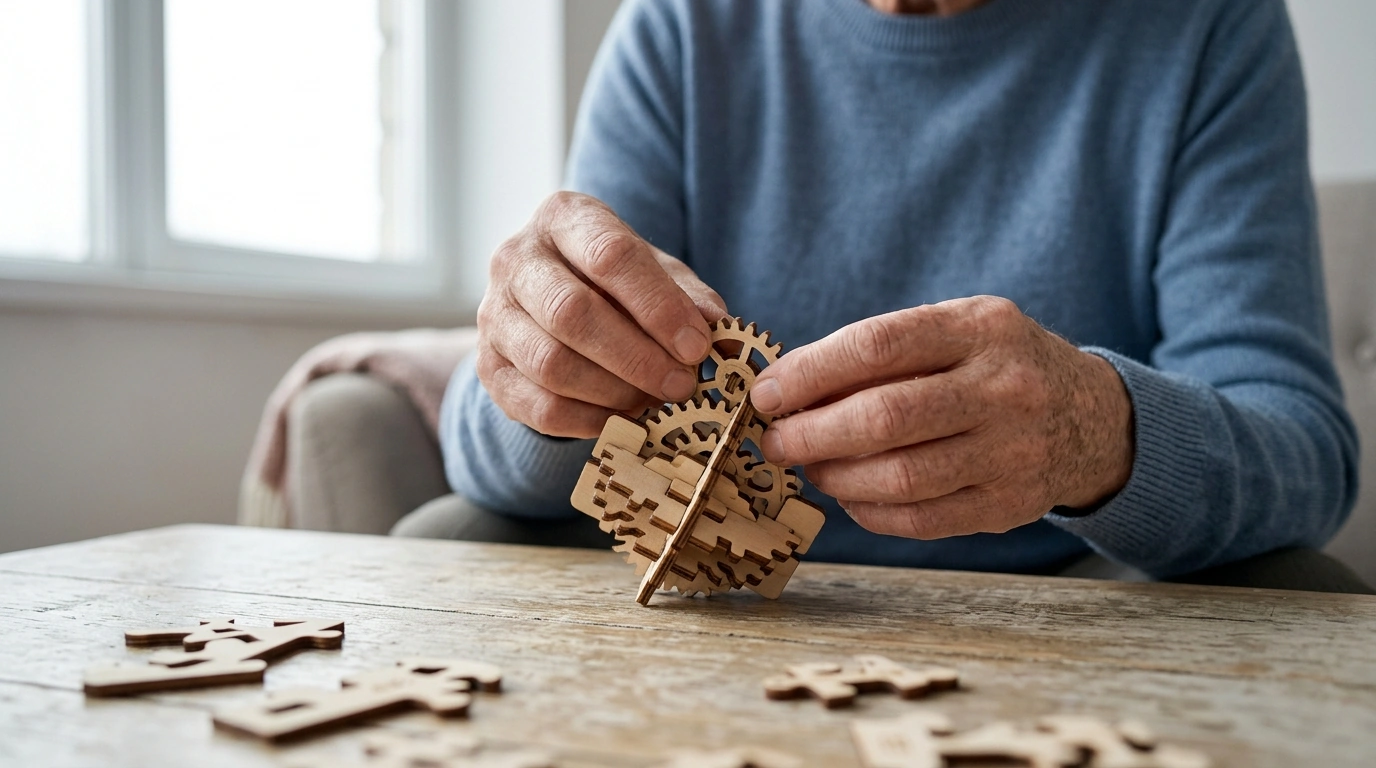
Yes—3D wooden puzzles can be an excellent activity for many seniors because they blend gentle mental challenge with hands-on building. Following illustrated steps, matching pieces, and planning assembly can support focus, memory, and problem-solving without feeling like “exercise.” The tactile nature of wood also makes the experience more satisfying than screen-based games for many people.
They’re especially appealing when the finished model is something worth displaying. Seniors often enjoy projects that result in a conversation piece on a shelf or desk, which can add a sense of accomplishment and purpose to the time spent building.
Most 3D wooden puzzle kits are structured into manageable steps, so progress is easy to see. This can be motivating and calming, particularly for anyone who enjoys routine or craft-like activities. Many kits also encourage fine-motor practice—aligning tabs, pressing parts together, and handling small components can keep hands active in a low-impact way.
Some kits use tiny parts, tight connections, or require more hand strength than expected. For seniors with arthritis, neuropathy, or reduced grip, look for kits described as “beginner” or “easy,” and consider having a small tool set on hand (like tweezers or a gentle sanding stick). Good lighting and a stable work surface make a big difference, too.
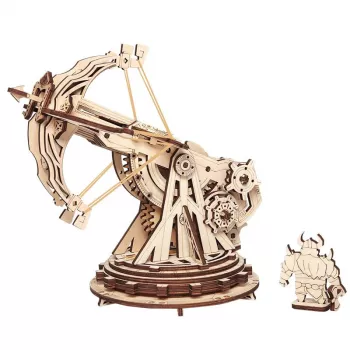
If the senior in your life likes history, strategy games, or old-world craftsmanship, a medieval model can be a great pick. For inspiration and tips on choosing a themed kit, visit this guide to medieval siege weapons 3D wooden puzzle kits.
For 3D Wooden Puzzles for Seniors: Benefits & Tips, the best answer depends on fit, material, care instructions, and how the product will be used day to day.
Start with a smaller kit that has fewer pieces, larger parts, and clear step-by-step diagrams. Simple mechanical models or compact architectural builds are often easier than highly detailed vehicles or intricate moving mechanisms.









Leave a comment