HomeBlogBlogLook Good, Spend Less: Chic Wardrobe Habits on a Budget

Look Good, Spend Less: Chic Wardrobe Habits on a Budget

Look Good, Spend Less: Chic Wardrobe Habits on a Budget

Look Good, Spend Less: Budget Style Habits for a Chic, Wear-Everywhere Wardrobe

A polished look doesn’t require a packed closet or constant new purchases. The biggest difference comes from choosing versatile pieces, shopping with a plan, and learning a few styling shortcuts that make outfits feel intentional. Below are practical, repeatable habits for building a chic wardrobe on a budget—plus a digital resource that helps turn those habits into a system you can actually stick to.

What “budget style” actually means

Budget style isn’t about buying the cheapest option—it’s about spending with purpose so your closet works harder.

  • Prioritize cost-per-wear over price tags. A $60 blazer worn 30 times beats three $25 “almost right” tops that sit untouched.
  • Buy fewer items that make more outfits. A tight color palette, consistent silhouettes, and easy layering turn “pieces” into “outfits.”
  • Plan around real life. Workdays, weekends, climate, dress codes, and how often you do laundry should shape what you buy.
  • Use fit and fabric as the main quality signals. Flat seams, solid stitching, and flattering drape matter more than a label.

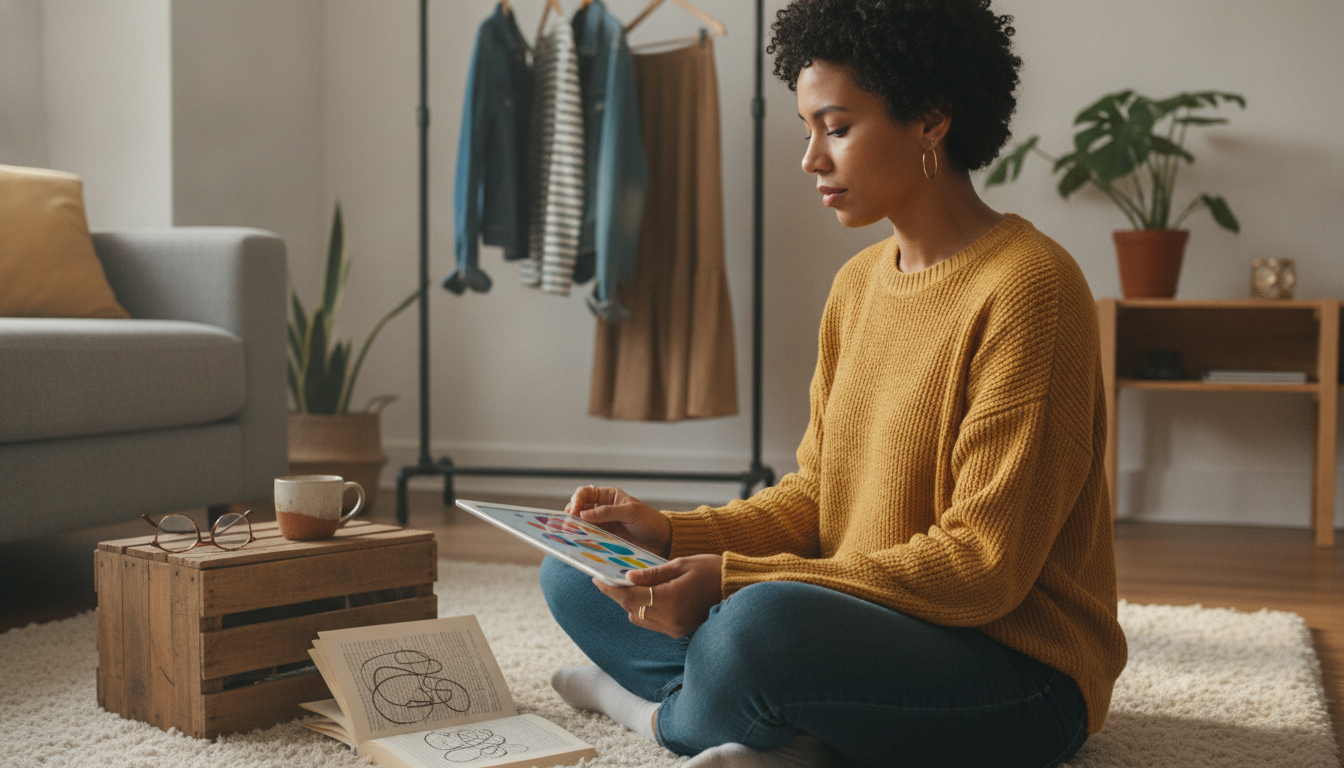
Start with a simple wardrobe map (so purchases stop being random)

A wardrobe map is a quick way to reduce impulse buys and focus on what will actually get worn.

  • Pick a 2–3 color base (black, navy, cream, gray) plus 1–2 accents that flatter your skin tone and hair color.
  • Choose 2 go-to silhouettes that reliably look good (example: high-waist straight leg + tucked knit; midi skirt + fitted tee).
  • Write outfit formulas for your routine (errands, office, dinner, travel, casual gatherings).
  • Identify the friction gaps: no layering pieces, uncomfortable shoes, no “nice but not formal” option.

Quick wardrobe map: essentials to cover most weeks

Category Budget-friendly staples Why it matters
Tops Fitted tee, elevated blouse, lightweight knit Builds repeatable outfit formulas for work and weekends
Bottoms Straight-leg jeans, tailored trouser, versatile skirt Creates variety while keeping the same tops usable
Layering Blazer, denim jacket, cardigan Instant polish; temperature control; outfit structure
Shoes Clean sneakers, flats/loafers, simple heel/boot Finishes the look and affects comfort more than most pieces
Accessories Simple hoops/studs, belt, structured bag Makes repeats feel intentional without buying new outfits

Shop smarter: rules that prevent expensive mistakes

  • Use a 24-hour pause for non-essential buys. Put it on a list, then re-check with fresh eyes.
  • Do the “three-outfit test.” Only buy if it works with at least three pieces you already own.
  • Check fabric and construction fast. Seams should lie flat, buttons feel secure, zippers glide, and the fabric shouldn’t be unintentionally sheer.
  • Avoid “fantasy life” purchases. If the shoes hurt in the store or the top requires hand-washing you’ll never do, it’s not a deal—it’s clutter.
  • Set a monthly budget and try a “one-in, one-out” guideline to keep the closet from becoming a holding zone.

For general consumer decision-making habits—like slowing down and reading details before committing—resources such as the Federal Trade Commission’s consumer guidance can be a helpful reminder to shop with clarity, not pressure.

Thrift, resale, and off-price shopping without the overwhelm

Secondhand can be a goldmine for quality fabrics—if you go in with a strategy.

  • Bring a short target list (example: navy blazer, leather belt, trench) to avoid “it’s cheap!” detours.
  • Scan for fabrics that age well: wool blends, cotton, linen, denim, and genuine leather (when available).
  • Know what to skip: stressed seams, stretched knits, heavy pilling, and worn shoe soles.
  • Tailor strategically. Hemming pants, taking in a waist, or swapping buttons can make a bargain look custom.
  • Use measurements, not the tag. Resale sizing varies—prioritize fit at shoulders and waist first.

If you’re new to thrifting, Goodwill offers a straightforward overview of secondhand shopping and its broader impact, which can make the process feel more approachable.

Make repeats look intentional with styling shortcuts

Keep clothes looking new longer (the cheapest upgrade)

For practical laundry and clothing-care guidance, Consumer Reports is a reliable source for everyday care best practices that help clothes last longer.

A guided way to put it all together: Look Good, Spend Less (digital eBook)

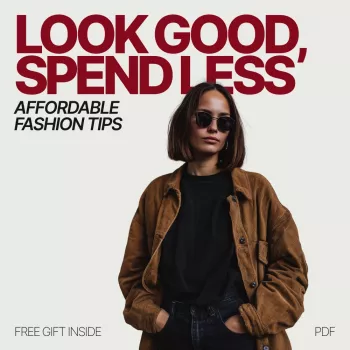
If you want a step-by-step framework (instead of reinventing the wheel each season), Look Good, Spend Less – Affordable Fashion Tips eBook is designed to turn these habits into an easy plan you can repeat.

Small confidence boosts that pair well with budget style

If you want an inexpensive add-on for those rushed days, the Ice Roller for Face & Eyes – Skin Tightening Facial Massage Tool is an easy, at-home option that pairs well with a simple “uniform” wardrobe approach.

FAQ

How can outfits look more expensive without buying designer items?

Prioritize fit (including simple tailoring), stick to a cohesive neutral color story, and add one structured layer like a blazer or jacket. Clean shoes, minimal accessories, and solid garment care make repeats look intentional and elevated.

What should be bought first when building a wardrobe on a budget?

Start with versatile staples that create multiple outfits: a well-fitting pair of jeans or trousers, a layering piece, and comfortable everyday shoes. Choose a clear color palette early and delay special-occasion-only items until your basics are covered.

Is thrifting worth it if sizing is inconsistent?

Yes—shop with a short list, rely on measurements, and prioritize fit in the shoulders and waist. Thrift “wins” that tailor well (hemming pants, swapping buttons) can look far more expensive than their price tag.

Was this article helpful?

Yes No
Leave a comment
Top

Shopping cart

×